
How to Pick a Ramp That Looks Good and Works Better
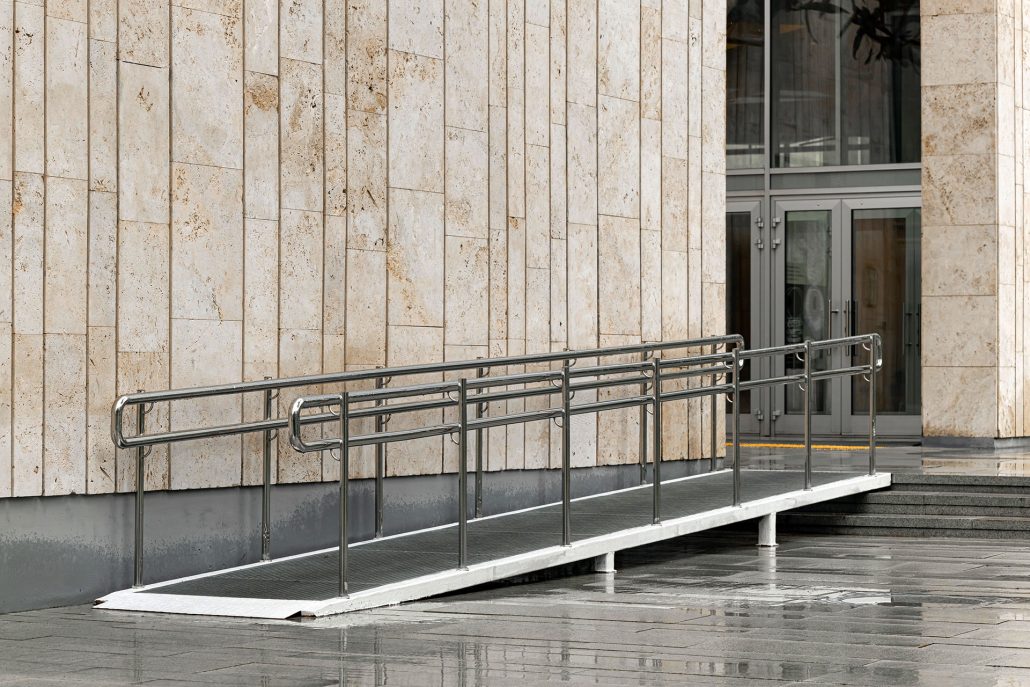
Choosing a ramp isn’t just about accessibility. It’s about harmony, how the structure fits into a home, how safe it feels underfoot, and how confidently it supports daily movement. A good ramp should blend into its surroundings while quietly doing the heavy lifting behind the scenes.
So how do you choose one that looks great and performs even better?
Start With the Real Needs
Before styles, finishes, or features steal your attention, pause. What does the person using the ramp truly need?
Ask yourself:
- How steep can the incline safely be?
- Will the ramp support walkers, wheelchairs, or powered equipment?
- Is the person steady, or do they need rails on both sides?
These simple questions shape every decision that follows. They also prevent the common mistake of picking a ramp that looks good on paper but struggles in daily life.
Think About the Space (Really Think)
Every home has quirks. Tight entryways. Narrow porches. Uneven ground. A beautiful ramp that doesn’t fit the layout will never feel right. Take measurements twice. Notice slopes, steps, door swings, and obstacles.
Sometimes the simplest layout works best. Other times, a gentle “L” shape or a longer platform makes movement easier. Don’t be afraid of creative shapes; small adjustments can transform how effortless an entryway feels.
Make Safety a Built-In Feature, Not an Afterthought
A good-looking ramp isn’t useful if it’s slick in the rain or shaky around corners. Safety features shouldn’t scream for attention; they should blend into the design naturally.
Consider:
- Handrails at a comfortable height
- Non-slip surfacing with subtle texture
- A gentle incline that doesn’t strain the user
- Level landings for rest and stability
When these elements work together, the ramp feels intuitive, almost invisible.
Don’t Forget the Aesthetic Touches
A ramp can be functional without feeling industrial. Small design details soften everything.
Add low-profile edges. Choose colors that echo the trim of the home. Pick railings that match the existing style, sleek, classic, or even decorative. Even the angle of the ramp can influence the mood of the entryway.
These touches create something more than access. They create welcome.
Pick Materials That Match the Home and the Climate
A ramp should look like it belongs there, not like it was dropped from somewhere else. Material choice makes or breaks that effect.
Wood has warmth. Aluminum has sleek, modern lines. Steel feels strong and purposeful. Composite materials bring durability with minimal upkeep. But looks aren’t everything, climate matters too.
- Snowy environments call for slip-resistant surfaces.
- Coastal areas demand rust-resistant materials.
- Rainy regions benefit from drainage grooves and textured treads.
Choose a material that suits both the eye and the environment.
Test the Feel Before You Commit
Walk up the ramp. Walk down. Turn around at the top. Notice the flow. Notice the comfort. Notice the confidence it gives, or doesn’t give.
That’s the real test. A ramp that looks good is nice. A ramp that feels right is life-changing.

Leave a Reply
Want to join the discussion?Feel free to contribute!