
The Accessibility Features That Add Value to Homes and Businesses
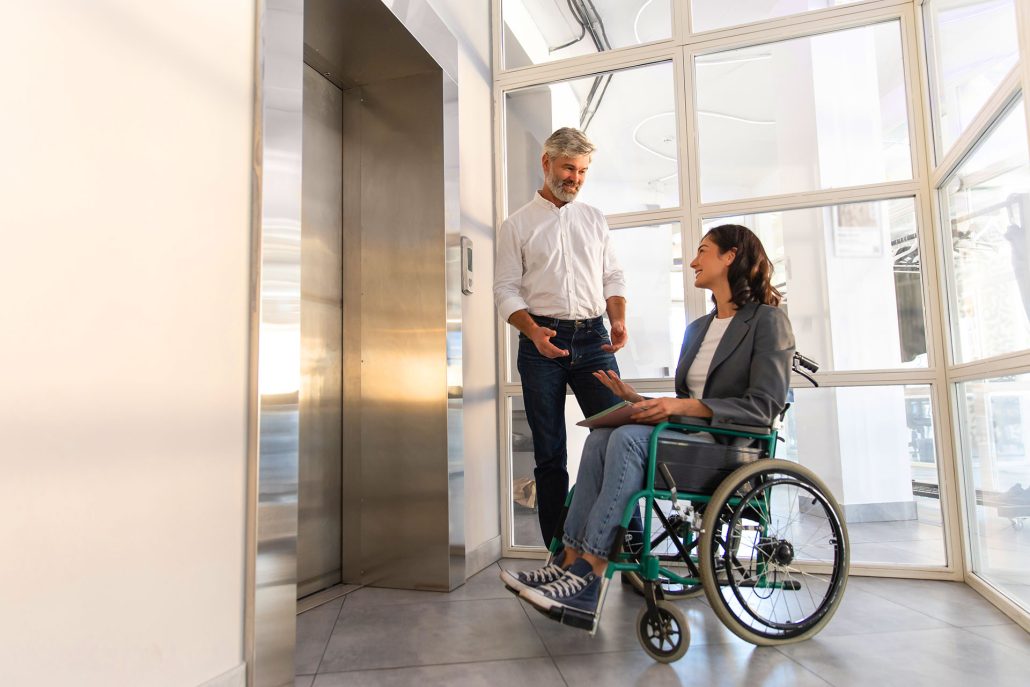
Accessibility isn’t just a kindness. It’s an investment, one that quietly raises the value, usefulness, and long-term appeal of any property. Homes become easier to live in. Businesses become easier to enter, navigate, and enjoy. And in both settings, thoughtful accessibility design creates a space that welcomes more people without sacrificing style or function.
Surprisingly, many features that improve accessibility also make a place feel smoother, safer, and more modern.
Wider Doorways and Open Floor Plans
One of the simplest upgrades is also one of the most powerful. Wider doorways and open floor plans create a natural sense of spaciousness. They help wheelchairs and walkers move without friction, but they also make a property feel more comfortable for everyone, parents with strollers, delivery workers with carts, or employees carrying boxes.
This change improves mobility now and makes the property more “future-proof” for aging in place or long-term business use.
Zero-Step Entries
A “no-step” entry is one of the most appealing features for both accessibility and property value. It eliminates the struggle of front-door stairs and creates a smoother, safer path into the building.
Buyers and tenants love it because:
- It reduces fall risk
- It simplifies carrying groceries, equipment, or luggage
- It works seamlessly for wheelchairs and walkers
It’s subtle, but once people experience it, they instantly feel the difference.
Smart Lighting and Clear Sightlines
Lighting does more than illuminate. It guides. It reassures. It prevents missteps. Smart lighting systems, motion lights, soft pathway lights, and well-placed fixtures make homes and commercial spaces feel more intuitive.
Clear sightlines also help with safety. Less clutter, fewer sharp corners, and more open visual flow give the property a cleaner, more inviting feel.
These features don’t scream “accessibility,” but they shape how safe and comfortable the environment feels from the moment you walk in.
Ramps and Vertical Lifts That Blend With Architecture
Modern ramps and platform lifts no longer look bulky or out of place. Sleek metals, neutral colors, and clean lines help these features blend into the design instead of overshadowing it.
A well-designed entry ramp or lift:
- Increases customer reach for businesses
- Supports aging residents
- Improves resale value
- Enhances safety in all weather
It’s a functional upgrade that also improves visual appeal when done thoughtfully.
Accessible Bathrooms That Feel Spa-Like, Not Clinical
Grab bars, roll-in showers, comfort-height toilets, and open turning space can dramatically increase a home’s livability. But when these features are integrated into a modern bathroom design, they also elevate the aesthetic.
People want bathrooms that feel safe, calm, and easy to use. Accessibility features deliver exactly that, while pushing the property into a higher tier of desirability.
Lever Handles and Easy-Operate Hardware
Small details matter. Lever door handles, touch-sensitive faucets, and ergonomic hardware reduce strain and add an upscale feel. These elements benefit people with mobility limitations, but they also make daily life smoother for everyone.
This is universal design at its best: functional, attractive, and valuable.
Conclusion
When a home or business invests in accessibility, it invests in usability, safety, and long-term relevance. These features don’t just serve individuals with mobility challenges; they enhance the experience for every person who walks through the door.
A space that’s easier to navigate is a space worth more. A building that supports independence is a building people trust. And a property designed for everyone becomes a property that stands out.

Leave a Reply
Want to join the discussion?Feel free to contribute!