
Stair Lifts for the Elderly: How to Restore Independence and Safety at Home
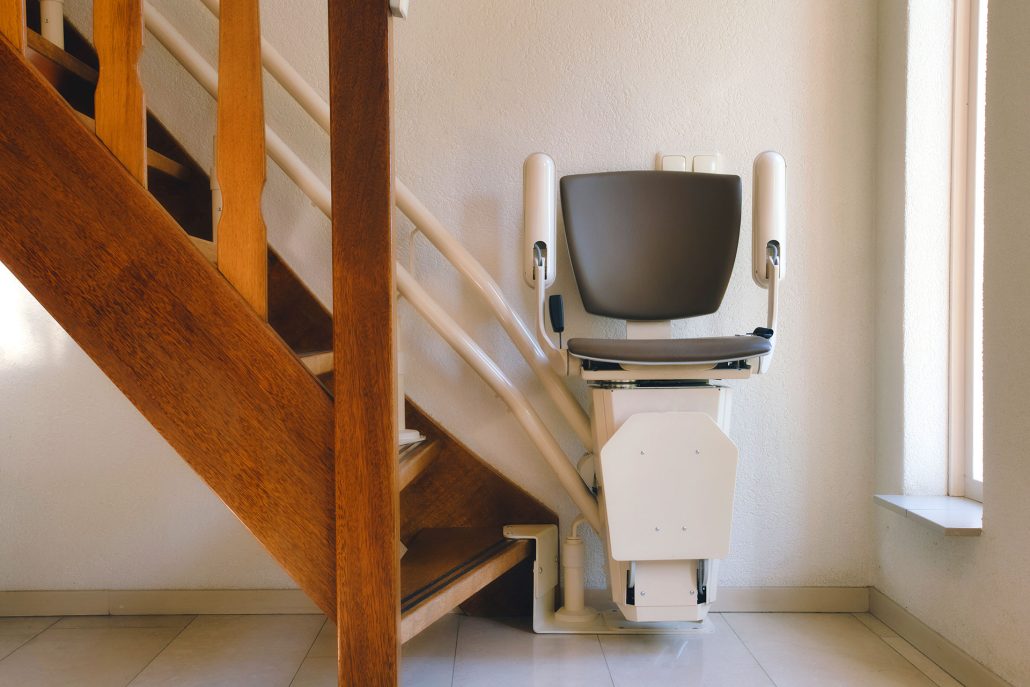
As we age, navigating the stairs in our own homes can transform from a simple daily task into a daunting challenge that threatens our independence and safety. For millions of elderly individuals and their families, this reality creates difficult decisions about whether to move to single-story living arrangements or find solutions that preserve their ability to age in place.
Stair lifts for the elderly have emerged as a life-changing mobility solution, offering a practical way to maintain access to all levels of the home while significantly reducing the risk of devastating falls.
Understanding the Need for Stair Lifts in Senior Living
Falls represent the leading cause of injury among adults aged 65 and older, with stairs presenting one of the most dangerous areas in the home. Each year, over 1 million injuries occur on stairs, with older adults facing the highest risk of serious complications. The fear of falling often leads seniors to limit their movement, avoiding upper floors entirely and essentially living in only part of their homes.
Stair lifts for the elderly address these concerns by providing a secure, comfortable means of traversing stairs without the physical strain or balance requirements of walking. These devices restore confidence and freedom, allowing seniors to access bedrooms, bathrooms, and living spaces on multiple levels without assistance from caregivers or family members.
Types of Stair Lifts Available for Elderly Users
Straight Stair Lifts
The most common and affordable option, straight stair lifts travel along a single, straight rail system. These models work perfectly for homes with stairs that run directly from one floor to another without turns or landings. Installation typically takes just a few hours, and the rail system attaches to the stair treads rather than walls, preserving the home’s structure.
Curved Stair Lifts
For homes with stairs that turn corners, have intermediate landings, or follow a curved path, curved stair lifts provide a custom solution. These units require precise measurements and custom-manufactured rail systems that follow the exact contours of your staircase. While more expensive than straight models, they ensure seamless travel around bends and across landings.
Outdoor Stair Lifts
Many elderly individuals struggle with exterior steps leading to their homes, garages, or gardens. Outdoor stair lifts feature weather-resistant materials, sealed components, and UV-protected surfaces designed to withstand rain, snow, and temperature extremes while maintaining reliable operation year-round.
Key Safety Features That Protect Elderly Users
Modern stair lifts incorporate multiple safety mechanisms specifically designed with elderly users in mind. Understanding these features helps ensure you select a model that provides maximum protection and peace of mind.
- Obstruction sensors: Automatically stop the lift if objects are detected on the stairs
- Seat belts and harnesses: Secure positioning during travel with easy-to-use buckles
- Swivel seats: Allow safe mounting and dismounting at the top of the stairs
- Folding components: Rails, seats, and footrests fold away to maintain stair access for other users
- Battery backup systems: Ensure operation during power outages
- Smooth start and stop technology: Prevents jarring movements that could cause discomfort
- Key locks: Prevent unauthorized use, particularly important if grandchildren visit
Physical and Emotional Benefits for Seniors
The impact of installing stair lifts extends far beyond the mechanical assistance they provide. These devices profoundly affect both physical health and emotional well-being for elderly users and their families.
Preserving Physical Health
By eliminating the strain of climbing stairs, stair lifts help seniors conserve energy for other activities and reduce stress on joints affected by arthritis or other conditions. The reduced fall risk protects against fractures, head injuries, and other trauma that could lead to extended hospital stays or permanent disability. Many seniors find that removing the exhaustion associated with stair climbing actually increases their overall activity levels throughout the day.
Supporting Mental Well-being
The psychological benefits prove equally significant. Maintaining access to familiar bedrooms, bathrooms, and personal spaces preserves dignity and autonomy. Seniors report reduced anxiety about falling, improved mood from maintaining independence, and stronger connections to their homes and memories. Family members also experience relief knowing their loved ones can safely navigate their homes.
Installation Process and Home Preparation
Professional installation ensures safe, reliable operation of stair lifts for elderly users. The process begins with a comprehensive home assessment where technicians measure the staircase, evaluate electrical access, and discuss specific needs or concerns. Most installations complete within one day for straight models, though curved systems may require additional time for custom rail fabrication.
Preparation requirements remain minimal since modern stair lifts mount directly to stair treads without major structural modifications. Homeowners should ensure clear access to the installation area and confirm adequate electrical outlets near the staircase. Some situations may require minor electrical work to add dedicated circuits.
Choosing the Right Stair Lift for Your Needs
Selecting appropriate stair lifts for the elderly requires careful consideration of current and future mobility needs. When making decisions about home modifications, many families discover that installing stair lifts alongside other practical adaptations like grab bars and improved lighting creates a comprehensive safety solution that dramatically improves the quality of life for aging seniors.
Key factors to evaluate include the user’s physical capabilities, such as the ability to transfer independently and operate controls. Consider whether caregivers will assist with transfers and if multiple family members will use the device. Weight capacity requirements and seat width preferences should match the primary user’s needs while accommodating potential changes over time.
Essential Questions for Vendors
- What warranty coverage is included, and what does it specifically cover?
- How quickly can service technicians respond to maintenance needs?
- Can the lift be relocated if you move to a different home?
- What training is provided for users and family members?
- Are there options to upgrade features as needs change?
- What happens if the primary user no longer needs the lift?
Maintenance and Long-term Care
Proper maintenance ensures stair lifts for the elderly remain safe and functional for years. Most manufacturers recommend annual professional inspections to check rail alignment, motor function, and safety features. Between professional visits, users should perform simple monthly checks, including testing safety sensors, checking for unusual noises, and ensuring smooth operation.
Regular cleaning prevents dust and debris from interfering with mechanical components. Wipe down seats, armrests, and controls with appropriate cleaners, and keep the rail system free from obstructions. Battery-powered models require periodic battery replacement, typically every 2-3 years, depending on usage patterns.
Alternative Solutions and Complementary Modifications
While stair lifts provide an excellent solution for many elderly individuals, some situations call for alternative or additional modifications. Platform lifts accommodate wheelchair users who cannot transfer to a seat, though they require more space and structural modifications. Home elevators offer another option for those needing to transport wheelchairs or mobility scooters between floors.
Complementary safety modifications enhance the benefits of stair lifts. Installing motion-activated lighting ensures visibility when approaching the lift, while adding handrails along adjacent walls provides stability during transfers. Non-slip flooring at landing areas reduces fall risk, and contrasting colors on stair edges improve depth perception for those with limited vision.
Making the Decision: Is a Stair Lift Right for You?
Determining whether to install stair lifts for the elderly involves an honest assessment of current challenges and future needs. Signs that indicate it’s time to consider a stair lift include avoiding certain floors, experiencing breathlessness or pain when climbing stairs, or having fallen or nearly fallen on stairs. If family members express concern about stair safety or you’re considering moving solely due to stair challenges, a stair lift could provide the solution.
Red Flags Requiring Immediate Action:
- Recent falls or near-misses on stairs
- Sleeping downstairs to avoid climbing
- Requiring assistance from others to navigate stairs
- Medical conditions affecting balance or strength
- Postponing activities due to stair concerns
Installing a stair lift for elderly family members represents more than a mobility aid; it’s an investment in continued independence, safety, and quality of life. These devices enable seniors to remain in beloved homes filled with memories while maintaining dignity and autonomy.
The peace of mind that comes from knowing a loved one can safely access their entire home proves invaluable, making stair lifts one of the most impactful modifications for aging in place successfully.

