
4 Accessibility Features That Actually Add Value to Your Home
There’s a persistent assumption that accessibility modifications make a home look institutional. That assumption is outdated, and it’s costing homeowners real money. Thoughtfully installed accessibility features add measurable value in livability and resale appeal. An aging population, growing awareness of universal design, and a housing market short on move-in-ready homes have all shifted what buyers notice and what they pay for.
Here are four features worth considering.
Zero-Step Entries
A step-free entrance is simply easier to live in. It benefits:
- Anyone carrying groceries or moving furniture
- Guests who use a cane, walker, or wheelchair
- Families with strollers
- Buyers planning to stay in the home long-term
Real estate professionals increasingly flag these entries as a selling point, particularly in markets with older buyers. If a step-free entry doesn’t exist, a platform lift or threshold ramp can achieve the same result without altering the home’s appearance significantly.
Wider Doorways
Standard interior doorways run 28 to 30 inches wide. A wheelchair needs at least 32, and 36 is better. But wider doorways benefit far more than wheelchair users. Moving furniture becomes easier, hallways feel less cramped, and the whole home reads as more open.
The renovation cost is modest. Buyers touring a home with generous doorways notice, even if they can’t say exactly why, the space feels better.
Grab Bars in Bathrooms
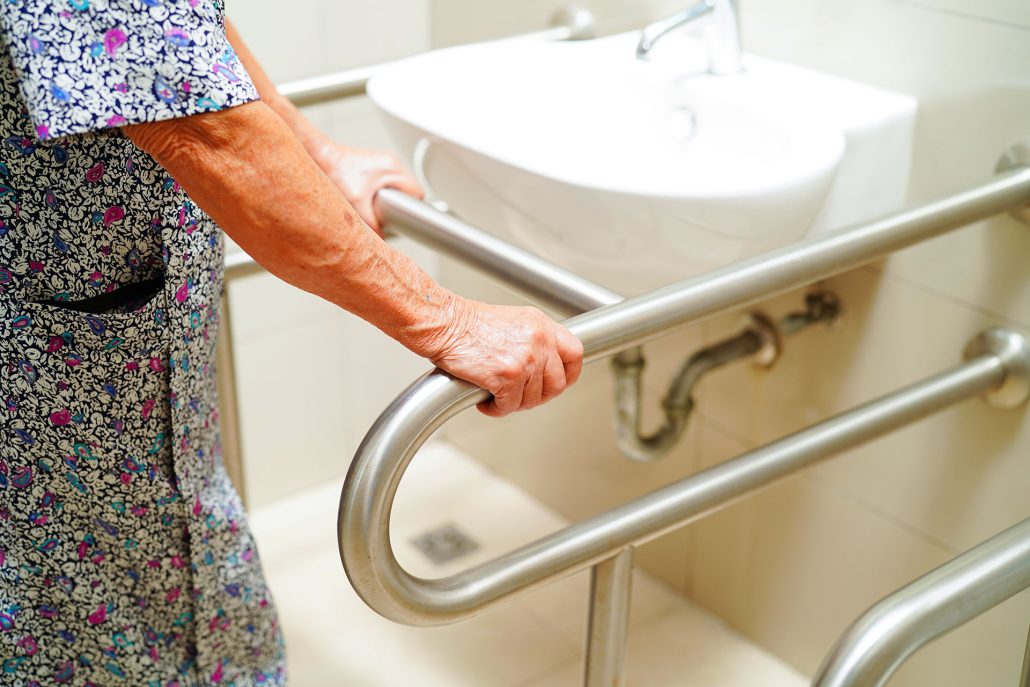
Modern grab bars come in finishes that match towel racks and fixtures. They read as design choices, not safety afterthoughts. Bathroom falls are among the most common household injuries across all age groups. A well-placed bar near the toilet and in the shower costs little to install and addresses the highest-risk room in the house. The perceived value to buyers is disproportionately higher than the cost.
A Stairlift or Vertical Platform Lift
Lifts often get framed as a last resort. That framing misses the point. A home that serves someone comfortably across every decade of life is worth more than one that can’t.
The benefits reach across different household types:
- Multigenerational families where older relatives visit or live in
- Homeowners planning to age in place
- Buyers who want to avoid a known future expense
A lift installed cleanly and maintained well extends the range of people a home can serve. That’s not a limitation. It’s an asset.
The Broader Point
Accessibility and desirability are not opposites. Features that help someone with limited mobility also make daily life easier for everyone else. The homes that age well are the ones designed, or modified, to accommodate people as they actually are.

