
How to Transform Your Living Space? Everything You Need to Know About Installing a Home Elevator
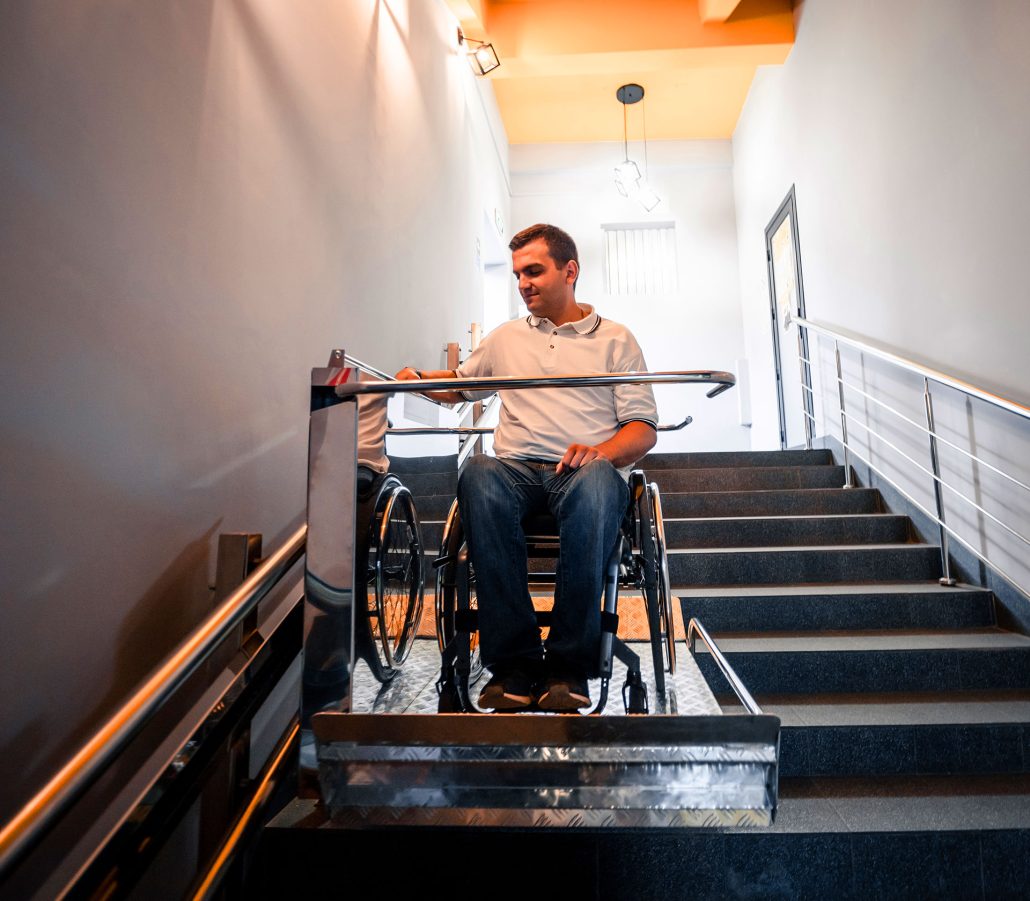
Installing an elevator in your home represents one of the most transformative accessibility upgrades you can make, offering unprecedented freedom of movement between floors while potentially increasing your property value by up to 10%. Whether you’re planning for aging in place, accommodating a family member with mobility challenges, or simply seeking the convenience of effortless vertical transportation, a residential elevator transforms daily living in ways that extend far beyond basic accessibility.
Understanding Your Options to Install Elevator in Home
The residential elevator market has evolved dramatically over the past decade, offering homeowners a diverse range of solutions that fit various budgets, space constraints, and aesthetic preferences. Traditional hydraulic elevators, once the only option for homes, now compete with pneumatic vacuum elevators, cable-driven systems, and compact shaftless designs that can be installed in as little as two days.
Each elevator type brings distinct advantages to consider. Hydraulic elevators provide the smoothest, quietest ride and can handle heavier weight capacities, making them ideal for larger homes with dedicated machine rooms. Pneumatic elevators, operating through air pressure changes, require minimal construction and can be installed virtually anywhere with sufficient headroom, though they typically accommodate only one or two passengers.
Cable-driven or traction elevators offer an excellent middle ground, providing reliable performance without requiring a separate machine room, while shaftless elevators that move along a rail system can be retrofitted into existing homes with minimal structural modifications.
Installation Process and Timeline
The journey to install an elevator in your home begins with a comprehensive site assessment by a certified installer who evaluates your home’s structure, electrical capacity, and available space. This initial consultation typically identifies the optimal location for the elevator, considering factors like proximity to load-bearing walls, existing plumbing and electrical runs, and traffic flow patterns within your home.
Once you’ve selected your elevator type and location, the installation timeline generally follows this pattern:
Week 1-2: Permit applications and architectural drawings
Week 3-6: Manufacturing and customization of elevator components
Week 7-8: Site preparation and shaft construction (if required)
Week 9-10: Equipment installation and electrical connections
Week 11: Testing, inspections, and final adjustments
Shaftless and some pneumatic elevators can be installed much faster, sometimes in as little as two to three days for the equipment installation itself, though permit and manufacturing lead times still apply.
Space Requirements and Design Integration
Modern residential elevators require surprisingly little space, with some models needing as little as 20 square feet of floor space per level. The key lies in strategic placement that minimizes disruption to your existing floor plan while maximizing accessibility and convenience.
Popular installation locations include converting unused closet space that stacks vertically through multiple floors, utilizing corners of rooms where the elevator can be disguised within custom cabinetry, or creating a dedicated shaft addition on the exterior of the home. Each approach offers unique advantages for different home layouts and architectural styles.
Interior designers increasingly treat residential elevators as architectural features rather than purely functional additions. Glass-walled pneumatic elevators can serve as stunning centerpieces, while traditional elevators can be finished with wood paneling, decorative metals, or custom artwork that complements your home’s aesthetic.
Safety Features and Building Codes
Modern home elevators incorporate multiple safety systems that exceed building code requirements in most jurisdictions. Emergency lowering systems ensure passengers can exit safely during power outages, while telephone or intercom systems provide direct communication in case of emergencies.
Key safety features required or recommended include:
- Automatic door interlocks preventing operation when doors are open
- Emergency stop buttons at each landing and inside the cab
- Battery backup systems for lighting and emergency lowering
- Slip-resistant flooring and adequate grab rails
- Sensors preventing door closure on obstructions
- Governor systems preventing excessive speed
Building codes vary significantly by location, but most require professional installation, regular inspections, and compliance with ASME A17.1 safety standards for residential elevators. Working with licensed installers familiar with local regulations ensures your elevator meets all safety and legal requirements.
Maintenance and Long-term Considerations
A properly maintained residential elevator can provide decades of reliable service, but regular maintenance is essential for safety and performance. Most manufacturers recommend quarterly inspections for hydraulic systems and semi-annual checks for cable-driven and pneumatic elevators.
Routine maintenance tasks include lubricating moving parts, checking and adjusting door mechanisms, testing safety systems, and monitoring hydraulic fluid levels (for hydraulic systems). While some basic maintenance can be performed by homeowners, annual professional inspections are typically required to maintain warranties and ensure compliance with local codes.
Accessibility Beyond Elevators
While planning to install an elevator in your home addresses vertical mobility challenges, creating a truly accessible living environment often requires a comprehensive approach. Making the right adjustments throughout your home, from installing grab bars in bathrooms to widening doorways and eliminating trip hazards, ensures that the independence gained from your elevator extends to every aspect of daily living.
Consider how the elevator installation can catalyze other accessibility improvements. The construction phase provides an ideal opportunity to address lighting upgrades, install lever-style door handles, or modify bathroom fixtures. This holistic approach maximizes both the immediate and long-term benefits of your accessibility investments.
Return on Investment and Property Value
Installing a residential elevator typically yields a return on investment of 50% to 100% when selling your home, depending on your local market and the quality of the installation. In luxury markets or areas with aging populations, homes with elevators often sell faster and command premium prices compared to similar properties without vertical transportation.
Beyond monetary returns, the lifestyle benefits provide immeasurable value. Homeowners report being able to age in place comfortably, avoiding the emotional and financial costs of relocating to assisted living facilities. Multi-generational families find that elevators enable grandparents to visit more frequently and participate fully in family life.
Real estate professionals increasingly recognize elevators as desirable amenities that appeal to a broad range of buyers, from young families planning for the future to empty nesters seeking single-level living convenience in multi-story homes.
Choosing the Right Installer
Selecting a qualified installer is perhaps the most critical decision when you decide to install an elevator in your home. Look for companies with extensive residential experience, proper licensing and insurance, and strong relationships with reputable manufacturers.
Installing an elevator in your home transforms not just how you move between floors, but how you experience and enjoy your living space for years to come. With careful planning, professional installation, and proper maintenance, a residential elevator becomes an invaluable asset that enhances independence, increases property value, and ensures your home can accommodate your needs throughout every stage of life.
The technology, affordability, and installation options available today make this once-exclusive luxury an achievable goal for homeowners seeking the ultimate in accessibility and convenience.
