
Small Elevator for Home: Transform Your Multi-Story Living with Modern Residential Lifts
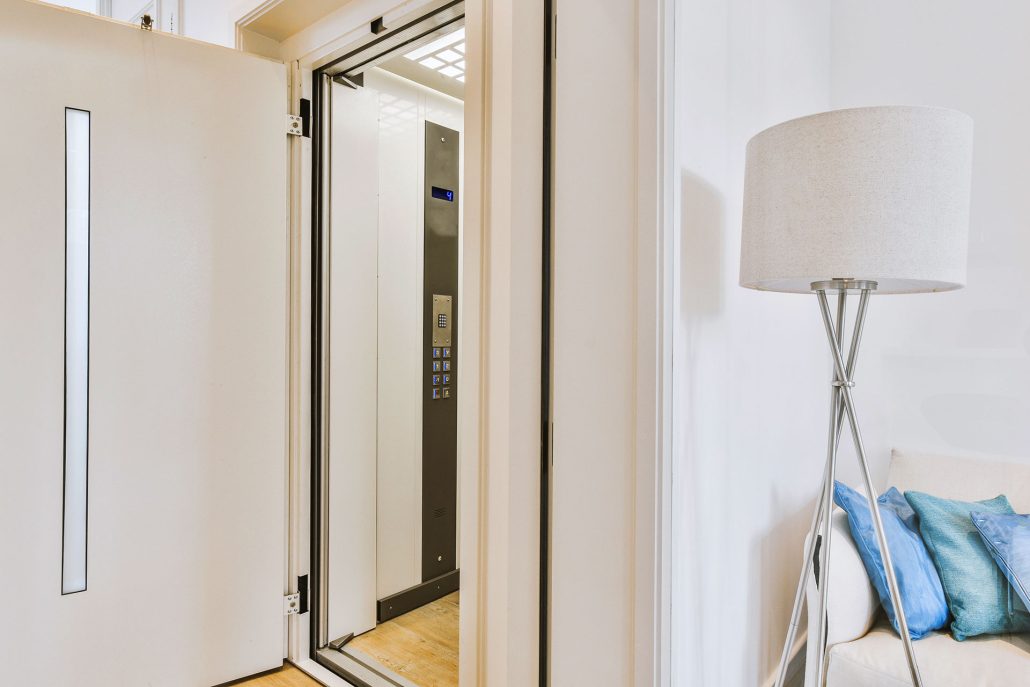
Installing a small elevator for home use represents one of the most transformative accessibility upgrades you can make to your living space. Whether you’re planning ahead for aging in place, accommodating a family member with mobility challenges, or simply seeking to enhance your home’s functionality and value, residential elevators have evolved from luxury amenities to practical solutions for modern multi-story living.
Today’s compact home elevator designs offer sophisticated technology, space-efficient footprints, and surprisingly affordable options that make vertical mobility accessible to more homeowners than ever before.
Understanding Small Home Elevator Options
The residential elevator market has expanded dramatically, offering several distinct types of small elevators designed specifically for home installation. Each technology comes with unique advantages, space requirements, and installation considerations that can significantly impact your decision.
Traditional hydraulic elevators, once the standard for residential applications, use a pump and piston system to move the cab. While reliable and smooth, they typically require more space for machinery and a pit below the lowest floor. Cable-driven or traction elevators utilize steel cables and counterweights, offering energy efficiency and faster travel speeds, though they need overhead clearance for the motor and pulley system.
Pneumatic vacuum elevators represent a revolutionary approach, using air pressure differential to move a transparent cylindrical cab through a tube. These futuristic-looking units require minimal construction, no pit or machine room, and can often be installed in just a day or two. Shaftless elevators, another innovative option, travel along a rail system and can be installed directly through floor openings, making them ideal for retrofit projects where traditional shaft construction would be prohibitive.
Key Benefits of Installing a Small Elevator for Home Use
The advantages of adding a residential elevator extend far beyond simple convenience. For many homeowners, these compact mobility solutions provide life-changing benefits that transform how they interact with their living spaces.
Enhanced Accessibility and Independence
A small elevator for home installation eliminates the physical barriers that stairs present, allowing residents of all ages and abilities to safely access every level of their home. This independence proves invaluable for individuals recovering from surgery, managing chronic conditions, or experiencing the natural mobility changes that come with aging.
Increased Property Value
Real estate professionals consistently report that homes with elevators command higher selling prices and appeal to a broader range of buyers. As the population ages and multi-generational living becomes more common, residential elevators transition from luxury features to sought-after amenities that can recoup 50% or more of their installation cost at resale.
Safety and Injury Prevention
Stairs remain one of the most dangerous areas in any home, accounting for over a million injuries annually in the United States alone. A residential elevator dramatically reduces fall risk while also eliminating the strain of carrying heavy items between floors, protecting both residents and visitors from potential accidents.
Space Requirements and Installation Considerations
Modern small elevators for home use require surprisingly modest space allocations, with some models needing as little as 15 square feet of floor space. The specific requirements vary significantly based on the elevator type and your home’s existing structure.
Typical Space Requirements by Elevator Type:
- Pneumatic vacuum elevators: 30″ to 52″ diameter circle
- Shaftless elevators: 36″ x 48″ to 40″ x 54″ footprint
- Traditional shaft elevators: 4′ x 5′ to 5′ x 7′ shaft size
- Through-floor elevators: 42″ x 60″ minimum opening
Installation complexity varies dramatically between new construction and retrofit projects. New builds allow for optimal elevator placement and structural preparation, while retrofits may require creative solutions to work within existing architectural constraints. Many homeowners successfully convert closets, pantries, or unused corners into elevator shafts, though some choose to add exterior elevators to minimize interior disruption.
Cost Factors for Residential Elevators
The investment required for a small elevator for home installation depends on numerous variables, from the chosen technology to your home’s specific requirements. Understanding these cost factors helps set realistic budget expectations and identify potential savings opportunities.
Equipment and Basic Installation
Entry-level residential elevators start around $20,000 for basic two-stop configurations, though most homeowners invest between $30,000 and $50,000 for quality equipment with desirable features. Pneumatic elevators typically fall on the lower end of this range, while custom traditional elevators with luxury finishes can exceed $100,000.
Construction and Modification Costs
Beyond the elevator itself, installation often requires structural modifications, electrical upgrades, and finishing work. Creating a shaft in an existing home might add $10,000 to $30,000, while electrical work for dedicated circuits typically runs $2,000 to $5,000. Permit fees, architectural drawings, and inspection costs vary by location but generally total $1,000 to $3,000.
When evaluating the overall investment in residential accessibility improvements, many homeowners discover that strategic home modifications that complement elevator installation can maximize functionality while managing costs. Simple additions like improved lighting, lever door handles, and slip-resistant flooring create a comprehensively accessible environment that enhances the elevator’s value.
Design Options and Customization Features
Today’s small elevators for home use offer extensive customization options that allow seamless integration with your existing décor and personal style preferences. Far from the institutional appearance of commercial elevators, residential models feature elegant finishes and thoughtful details that enhance your home’s aesthetic appeal.
Cabinet finishes range from traditional wood grains in oak, cherry, or mahogany to contemporary options like brushed stainless steel, bronze, or even glass panels. Many manufacturers offer custom color matching to coordinate with your home’s existing millwork. Interior lighting options include LED ceiling fixtures, cove lighting, and even color-changing systems for ambiance control.
Control panels and fixtures present another opportunity for personalization, with choices ranging from simple push buttons to touchscreen interfaces. Voice activation, smartphone control, and integration with home automation systems add convenience while maintaining accessibility for users with varying abilities.
Safety Features and Building Code Compliance
Modern residential elevators incorporate multiple safety systems that exceed building code requirements, ensuring reliable operation and passenger protection. Understanding these features provides peace of mind and helps evaluate different manufacturers’ offerings.
Essential Safety Components
Every residential elevator must include emergency stop buttons, backup power systems for lowering during outages, and door interlocks preventing operation when doors aren’t properly secured. Additional safety features often include:
- Slack chain or cable detection systems
- Over-speed governors limiting descent rate
- Emergency communication devices or phones
- Soft-start and soft-stop technology reducing jarring movements
- Weight sensors preventing overload conditions
- Manual lowering capabilities for power failures
Building codes vary by jurisdiction, but most require compliance with ASME A17.1 safety standards for residential elevators. Professional installation ensures proper permitting, inspection scheduling, and code compliance documentation, protecting your investment and liability exposure.
Choosing the Right Elevator Manufacturer and Installer
Selecting a reputable manufacturer and experienced installer proves crucial for project success and long-term satisfaction. The residential elevator industry includes established companies with decades of experience alongside innovative newcomers offering cutting-edge technology.
When evaluating manufacturers, consider their track record, warranty terms, parts availability, and dealer network. Established brands like Stiltz, Savaria, and Inclinator offer proven reliability and nationwide service networks. Newer companies might provide innovative features or competitive pricing but verify their financial stability and support infrastructure.
Key Questions for Potential Installers:
- How many residential elevators have you installed?
- Are you factory-certified for the chosen equipment?
- What warranties do you provide on installation work?
- Can you provide references from recent installations?
- Do you handle permits and inspection coordination?
- What is your service response time for emergencies?
Alternative Mobility Solutions to Consider
While a small elevator for home use provides the ultimate accessibility solution, budget constraints or structural limitations might necessitate exploring alternative options. Understanding these alternatives helps make informed decisions about your specific mobility needs.
Stairlifts attach directly to existing staircases, providing seated transportation between floors for $3,000 to $15,000 depending on staircase configuration. Though less versatile than elevators, they require no structural modifications and install quickly. Platform lifts, essentially open elevators without enclosed shafts, cost $10,000 to $20,000 and work well for wheelchair users needing to traverse a single story.
Through-floor lifts create openings between floors without traditional shafts, offering elevator-like functionality for $15,000 to $30,000. While not as refined as enclosed elevators, they provide practical vertical mobility with minimal construction requirements.
Making Your Decision: Next Steps
Investing in a small elevator for home installation represents a significant decision that impacts your daily life, property value, and long-term residence viability. Taking a methodical approach to evaluation and planning ensures the best outcome for your specific situation.
Begin by assessing your current and anticipated mobility needs, considering not just immediate requirements but potential future changes. Evaluate your home’s structure to identify optimal installation locations, potentially consulting with an architect or structural engineer for complex situations. Research local building codes and HOA restrictions that might impact elevator selection or placement.
Installing a small elevator for home use transforms multi-story living from a daily challenge into effortless accessibility. Whether driven by immediate mobility needs or forward-thinking preparation for aging in place, residential elevators deliver independence, safety, and convenience that profoundly impact quality of life.

