
Small Elevators for Homes: Types, and Space-Saving Designs That Wow
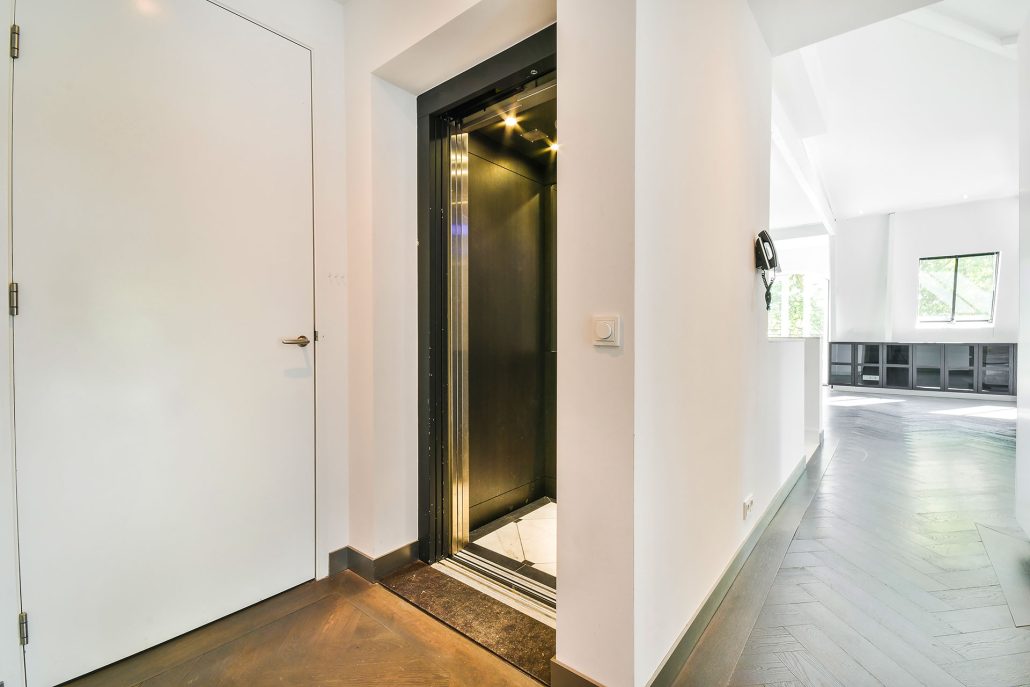
Imagine never having to white-knuckle the staircase with a laundry basket again. Or watching your aging parents move freely between floors without fear of a tumble. Small elevators for homes are no longer a luxury reserved for sprawling mansions or Hollywood mansions with marble foyers. They’re sleek, surprisingly affordable, and quietly transforming ordinary houses into multi-level havens of accessibility and convenience.
Whether you’re future-proofing your forever home, managing mobility challenges, or just craving that touch of modern wow-factor, residential elevators have entered a golden age.
What is the smallest home elevator available?
The smallest home elevators have a footprint of roughly 15 to 20 square feet, with cab interiors around 3 feet by 4 feet. Pneumatic vacuum elevators and shaftless through-floor lifts are the most compact options, fitting in a closet-sized space and accommodating one to two passengers comfortably.
Why Homeowners Are Falling for Compact Residential Elevators
The shift is real. Homeowners are aging in place at record rates, and nobody wants to abandon their dream house just because the bedroom is upstairs. Add the surge in multigenerational living, and you’ve got a perfect storm driving demand for compact lift solutions.
But it’s not just about necessity. Today’s small home elevators are genuinely beautiful. Glass cabs, brushed metal finishes, panoramic views of your foyer, these aren’t the clunky industrial boxes of yesteryear.
The Real-World Benefits
- Aging in place: Stay in the home you love for decades longer
- Property value boost: Elevators can add 10% or more to resale value
- Daily convenience: Moving groceries, laundry, and luggage becomes effortless
- Injury prevention: Falls on stairs send millions to the ER yearly
- Visitor accessibility: Elderly relatives and friends can finally visit upstairs
The Main Types of Small Elevators for Homes
Not all residential elevators are built the same. Picking the right type depends on your budget, your home’s structure, and how many floors you need to conquer.
Pneumatic Vacuum Elevators
These futuristic-looking tubes use air pressure to glide a transparent cab between floors. No machine room. No pit. No hoistway. Installation can be done in just two or three days.
Hydraulic Elevators
Smooth, quiet, and powerful. These rely on a piston system and are ideal for homes with multiple floors. They require a small machine room but handle heavier loads with ease.
Cable-Driven (Traction)
Energy-efficient and compact, traction elevators use counterweights and cables. They’re a popular pick for modern builds where space and electricity costs matter.
Through-Floor Lifts
The ultimate space-savers. These shaftless lifts pop through a hole in your ceiling, perfect for tight retrofits in older homes with limited construction options.
How Much Space Do You Actually Need?
Here’s where small home elevators shine. You don’t need to sacrifice a guest room to install one. Many models slip neatly into an unused closet, a stairwell void, or even an exterior wall add-on.
The typical compact elevator footprint ranges from 15 to 25 square feet. For perspective, that’s smaller than most walk-in pantries. Pneumatic models can squeeze into spaces as tight as a 30-inch circle.
Things to Consider Before Installing
- Floor-to-floor height: Standard ceilings work fine for most systems
- Pit depth: Some elevators need a small pit; others don’t
- Overhead clearance: Cable systems require extra space above the top floor
- Power requirements: Most run on standard 220V household current
- Permits and codes: Local regulations vary, so check before you commit
When an Elevator Isn’t the Right Fit
Sometimes a full elevator is overkill, or the home’s layout simply won’t cooperate. If you’re only navigating a few steps or working with a porch entry, a different solution might serve you better. Learn how a vertical platform lift can solve accessibility headaches in homes where a traditional ramp or elevator just isn’t practical.
Safety Features You Should Demand
Modern residential elevators are loaded with safeguards. Don’t settle for less than the essentials.
- Emergency battery backup: Lowers you safely during power outages
- Door interlocks: Prevents the cab from moving unless doors are sealed
- Phone or alarm system: Two-way communication in case of emergency
- Slack cable detection: Stops the lift if cables lose tension
- Overload sensors: Prevents operation when weight limits are exceeded
- Soft-start and soft-stop: Eliminates jarring movement
Design Trends That Make Compact Elevators Stunning
Gone are the days of hiding your elevator behind a closet door. Today’s homeowners are turning their lifts into architectural showstoppers.
Glass cabs let natural light flood through. Custom wood paneling matches kitchen cabinetry. LED accent lighting transforms a simple ride into a moody, cinematic moment. Some designers even position elevators in central foyers as the focal point of the home.
Frequently Asked Questions
How long does it take to install a small home elevator?
Most residential elevators take between two days and four weeks to install. Pneumatic models are the fastest, often completed in 48 to 72 hours. Hydraulic and traction systems requiring construction work usually take two to four weeks from start to finish.
Can a small elevator be added to an existing home?
Absolutely. Retrofitting is one of the most common scenarios. Through-floor lifts and pneumatic vacuum elevators are particularly retrofit-friendly because they need minimal structural changes. A qualified installer can assess your home’s specific layout in a single site visit.
How many people can a compact home elevator hold?
Most small residential elevators carry two to three passengers, with weight capacities ranging from 450 to 1,000 pounds. Larger models can accommodate a wheelchair plus a companion comfortably.
Final Thoughts: Lifting Your Home Into the Future
Small elevators for homes have crossed the threshold from indulgence to smart investment. They add resale value, dramatically improve quality of life, and let you stay in the home you love no matter what life throws your way. With compact footprints, jaw-dropping designs, and prices that fit a wider range of budgets, there’s never been a better moment to consider one.
Whether you choose a sleek pneumatic tube, a powerful hydraulic system, or a clever through-floor lift, the right elevator transforms how you experience every level of your home. Take the time to research, talk to multiple installers, and pick a solution that matches both your needs and your style. Your future self, and probably your knees, will thank you.
